
The 2026 Guest: Why Quiet, Sleep and Nervous System Recovery Are Redefining Luxury Hospitality
The latest insights from the Hilton Hilton Trends Report 2025 do not simply highlight seasonal travel trends. They point to a deeper behavioural shift. The emerging 2026 guest is not searching for more stimulation, spectacle or novelty. They are searching for recovery.
Across global markets, travellers are placing increasing value on sleep quality, acoustic comfort, air purity and thermal stability. This is not a fringe wellness movement; it is becoming mainstream expectation. Luxury, in 2026, is being redefined less by visual impact and more by physiological ease.
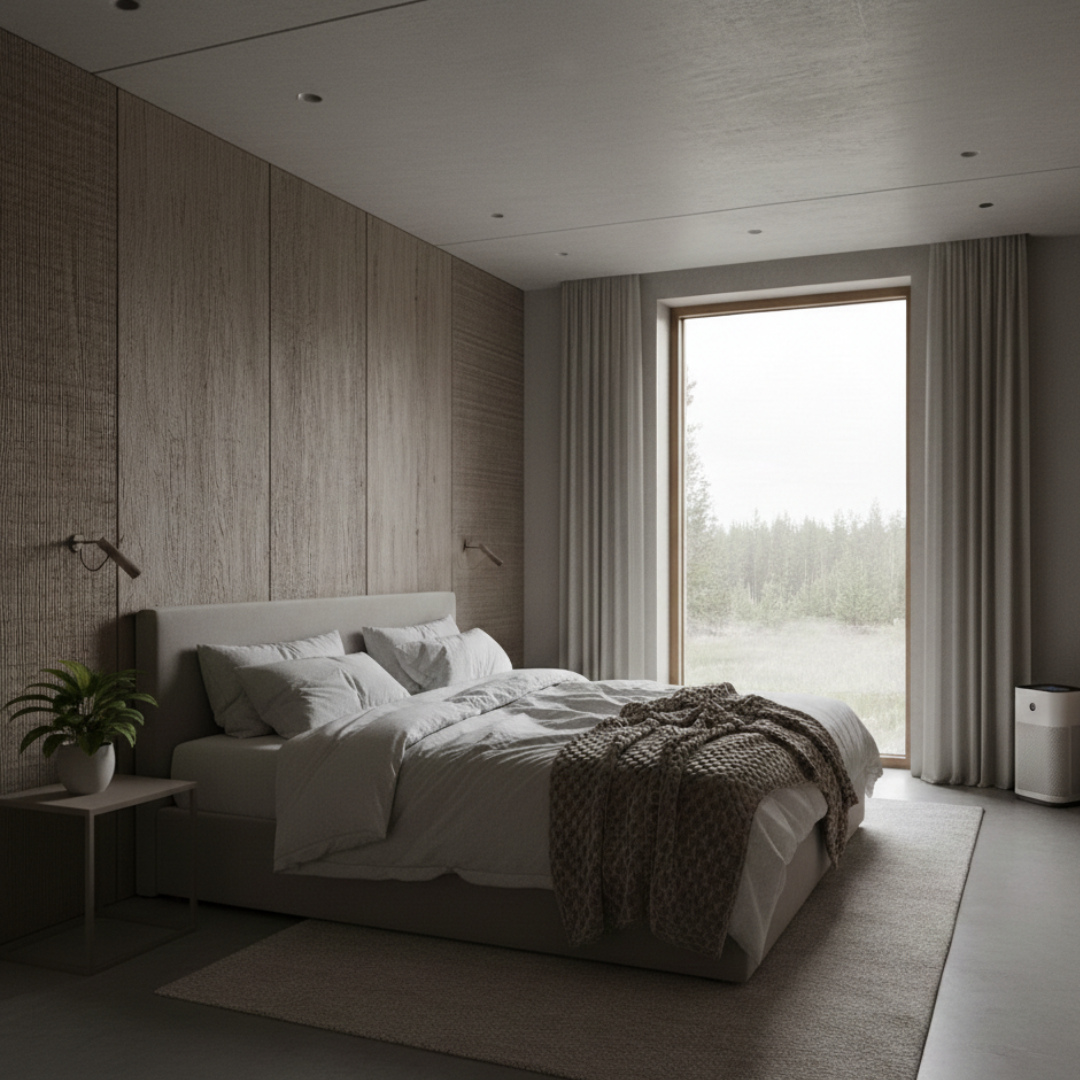
An Overstimulated Culture
Modern life has become cognitively dense. Notifications are constant, work seeps into evenings, and even our homes now carry the invisible weight of unfinished tasks. Many guests arrive at hotels not simply tired, but mentally saturated. The decision to travel is increasingly driven by a desire to regulate — to step away from the low-level activation that defines everyday life.
The Hilton report reflects this clearly: sleep tourism is rising, wellness-led stays are growing, and guests are actively researching how well they are likely to rest before booking. For operators, this marks a significant shift. A comfortable mattress is no longer enough. Guests are asking, consciously or subconsciously, whether the entire environment supports deeper rest.
Sleep as a Competitive Advantage
Better sleep has become a differentiator. Acoustic control, blackout capability, stable indoor temperatures and filtered air are no longer technical specifications; they are commercial advantages. Reviews now reference “the best night’s sleep in years” as frequently as they reference design.
This evolution matters. Hotels that invest in environmental stability see stronger retention and reputation. High ROI hotel accommodation in the coming years will not simply command higher nightly rates because it looks impressive — it will perform better because it allows guests to genuinely recover.
Quiet, once an assumed baseline, is now perceived as luxury.

From Statement Design to Subtle Performance
There was a period when hospitality leaned heavily into statement interiors — bold bathrooms, dramatic lighting, photogenic finishes. While visual design still matters, the 2026 guest is increasingly sensitive to what cannot be photographed: thin walls, fluctuating temperatures, corridor noise, mechanical hum.
These details may seem minor, yet they directly influence nervous system response. A room that overheats at 3am or carries impact noise from above subtly prevents deep rest. Guests may not articulate the technical cause, but they feel the result.
The shift underway is from visual “wow” to environmental coherence. Luxury is becoming quieter, steadier and more grounded.
Wellness Has Moved Into Architecture
Another key theme in the report is that wellness is no longer an amenity — it is architectural. Air quality, material selection, access to natural light and connection to landscape are shaping booking decisions.
The modern guest is also more climate-aware. Sustainability is expected rather than applauded. Buildings with short lifespans or poor energy performance increasingly feel out of step with contemporary values. Longevity, material honesty and energy efficiency signal responsibility.
For boutique operators considering how to increase hotel room capacity without disruption, this presents an important strategic consideration: expansion must enhance calm rather than compromise it. The next wave of fast hotel expansion solutions will be judged not just by speed or cost, but by how well they protect the guest experience.
The Emotional Role of the Hotel Room
At home, even in beautifully designed houses, there is often an undercurrent of responsibility — laundry, emails, family logistics, unfinished projects. A hotel room represents psychological neutrality. No decisions, no tasks, no maintenance.
But that neutrality only holds if the environment feels stable. Thermal inconsistency, synthetic materials or acoustic leakage subtly undermine the promise of retreat. The 2026 guest is more attuned to this than ever before.
Luxury hospitality is therefore becoming less about adding features and more about removing friction.
Designing for This Shift From the Beginning
When we first began developing the NordSeries cabins, wellness-led design was not a dominant conversation within hospitality. There were no major reports forecasting sleep tourism or nervous system recovery as defining themes.
Our focus was simpler: buildings should make people feel better.
That meant prioritising thermal balance, acoustic softness and natural, low-toxin materials. It meant designing for long-term performance rather than short-term aesthetics. It meant believing that how a space feels matters more than how loudly it performs online.
We may be relatively new to the hotel sector, but philosophically we are aligned with where it is moving. The data now validates what we instinctively believed — that guests want restoration, and that restoration must be built into the structure itself.
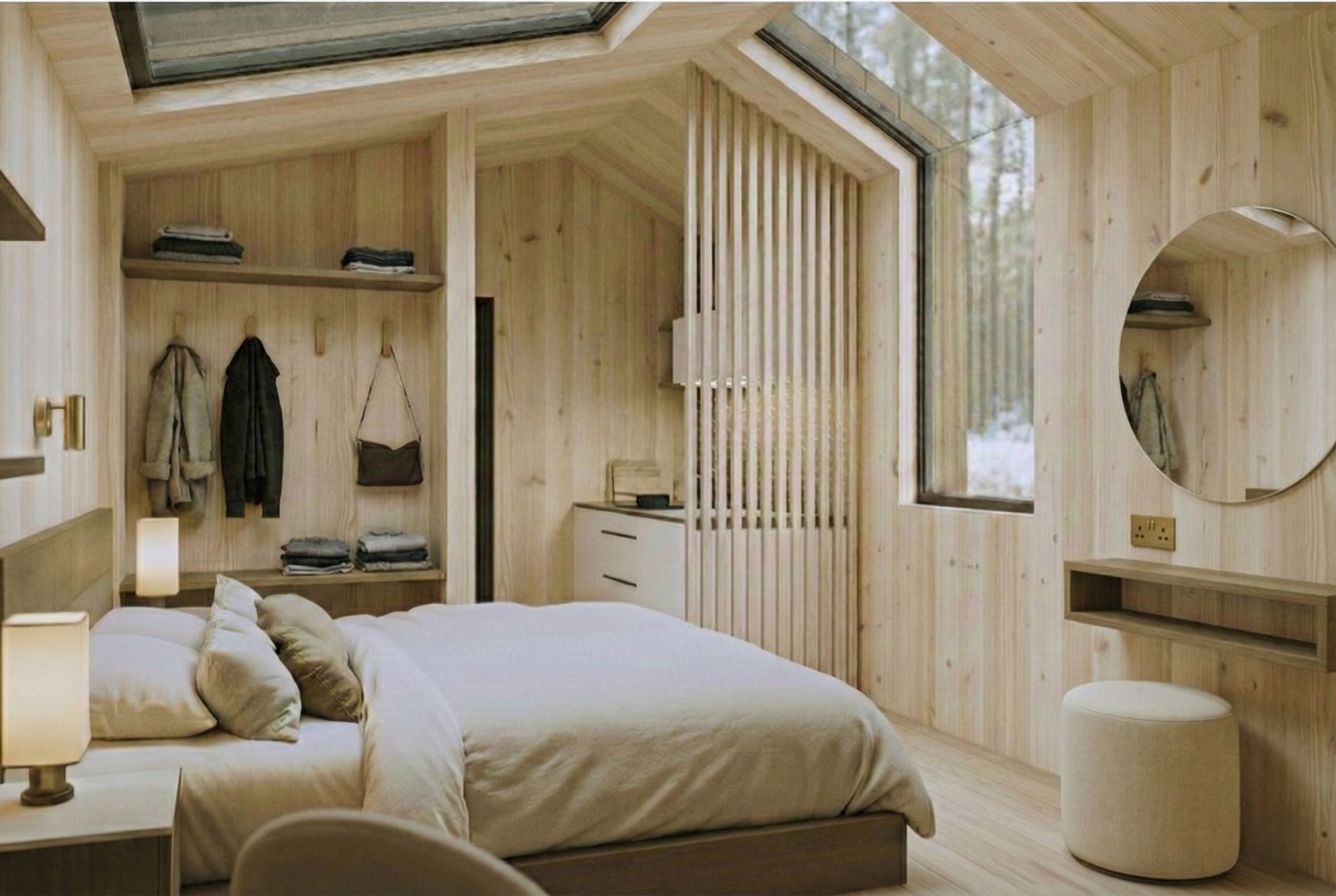
NordSky Cabin NordSeries By THC Homes
Experiencing the Future of Hospitality
This spring, we will open our new hospitality showroom at Weedon Bec Depot, created specifically for boutique hoteliers and luxury leisure operators exploring the next chapter of guest accommodation.
It is designed not as a sales environment, but as a demonstration of what environmental stability feels like — the acoustic difference, the material tactility, the calm that emerges when temperature and air are balanced.
If you would like to be among the first invited to experience our newest NordSeries range, we invite you to sign up to our newsletter.
Because the next era of luxury hospitality will not be louder.
It will be quieter, more intentional — and built for genuine rest.