
Why the Next Era of Cabins Will Help People Feel Better
Picture this.
You’re flicking through the latest International Glamping Magazine. Page after page of beautiful cabins fill your screen — wraparound views over rolling hills, compact family pods, lodge suites with freestanding baths and designer taps.
Some look spacious.
Some look expensive.
Some look compact (yet a bargain!).
But here’s the question: if you’re new to the industry, how an earth do you pick from such an incredible bunch? More importantly: What exactly should you be looking for?
Going off your instinct, you’ll probably first think ‘Instagrammable’ or photogenic cabin that look oh so beautiful, and yes you’re spot on as design is a core component in getting someone to your location BUT if guests wake at 2am because of temperature swings, noise filter in from the outside, or a lingering damp smell continues to disrupt your sleep - that five-star aesthetic becomes a two-star review.
No amount of pretty brassware will compensate for:
Interrupted REM sleep
A room that runs too hot or too cold
Hollow walls that echo
Plasticky interiors that won’t age well (and smell strong in the heat)
Or a cabin that costs you thousands each winter because the U-values weren’t built for reality
Luxury is no longer what you can see. It’s how a building makes you feel.
This is where emotional architecture steps in and if you want to understand what the hell that actually means as well as how to pick the best models for 2026 and beyond, just maybe the next part of this article may be useful….
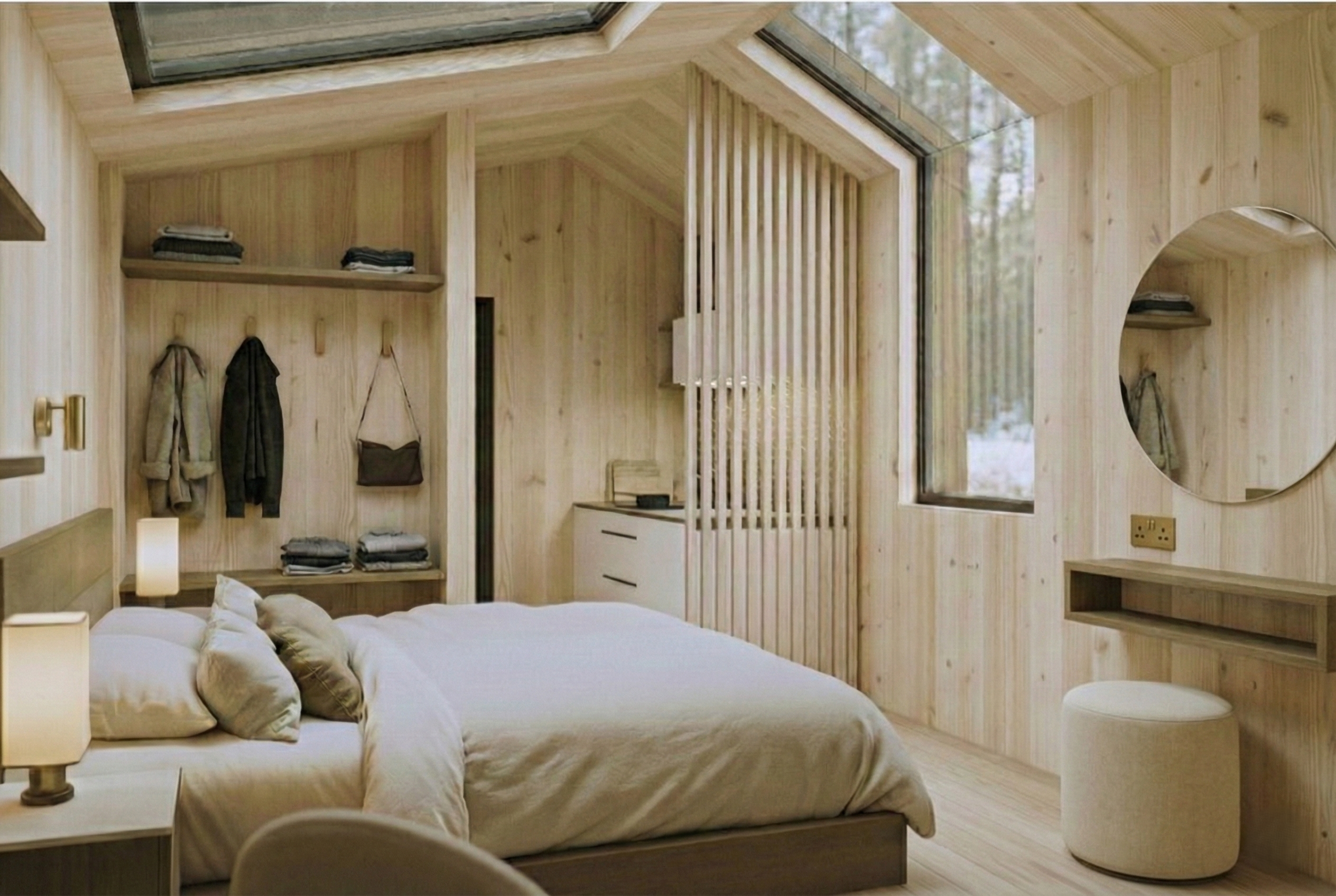
NordSky Interior
The Rise of Emotional Architecture
Not aesthetic design — emotional design - but, what is it?
Emotional design considers how the person inside will feel when sitting, sleeping and simply being. To give you an opposite examples, did you know that hotels typically avoid the colour red as this creates a sense of anxiety, unsettled behaviour and can keep you awake at night?
Whilst a small example, we can see that colours, lights, sounds, smells and touch can all play a large role in your wellbeing. With emotional design, the building has been created with a fabric first approach using very particular materials and build methods to create a space that looks after the person residing inside, quite literally taking care of them as they sleep, rest and relax.
It’s 2025, and many are already preparing for the next generation of holiday goers who put wellness and health at the centre of their British Getaways and are willing to pay a premium for a quality nights sleep.
The modern traveller seems to ask deeper questions prior to booking a space, and luckily many hosts are too. They want to know:
Does this building feel calm inside?
Does the air feel fresh and clean every day?
Are the acoustics inside soft?
Will my guests sleep better here than at home?
Will guests return again and again to the same cabin?
Why? Because architecture is emotional. Buildings communicate with the nervous system.
A well-designed space can influence:
✔ Heart rate
Low-toxin materials, soft acoustics, and clean airflow reduce sympathetic load — slowing the heart without you even noticing.
✔ Calmness
Natural textures and balanced thermal environments signal safety to the brain.
✔ Mental clarity
Good daylighting + biophilic design + filtered air = sharper cognition and deeper rest.
✔ Depth of breath
Spaces with healthy humidity, no chemical pollutants, and proper ventilation physically change how you breathe.
✔ Sensory load
Cluttered visuals, synthetic materials, reverberating sound — these overstimulate guests.
Emotional architecture intentionally removes this noise.
✔ Cortisol reduction
When a building feels stable, quiet, and natural, the body shifts out of fight-or-flight and into restoration.
This is the science THC Homes has built its entire philosophy upon. This is why your brand guidelines speak to designing with intention so every guest feels calmer and sleeps deeper .
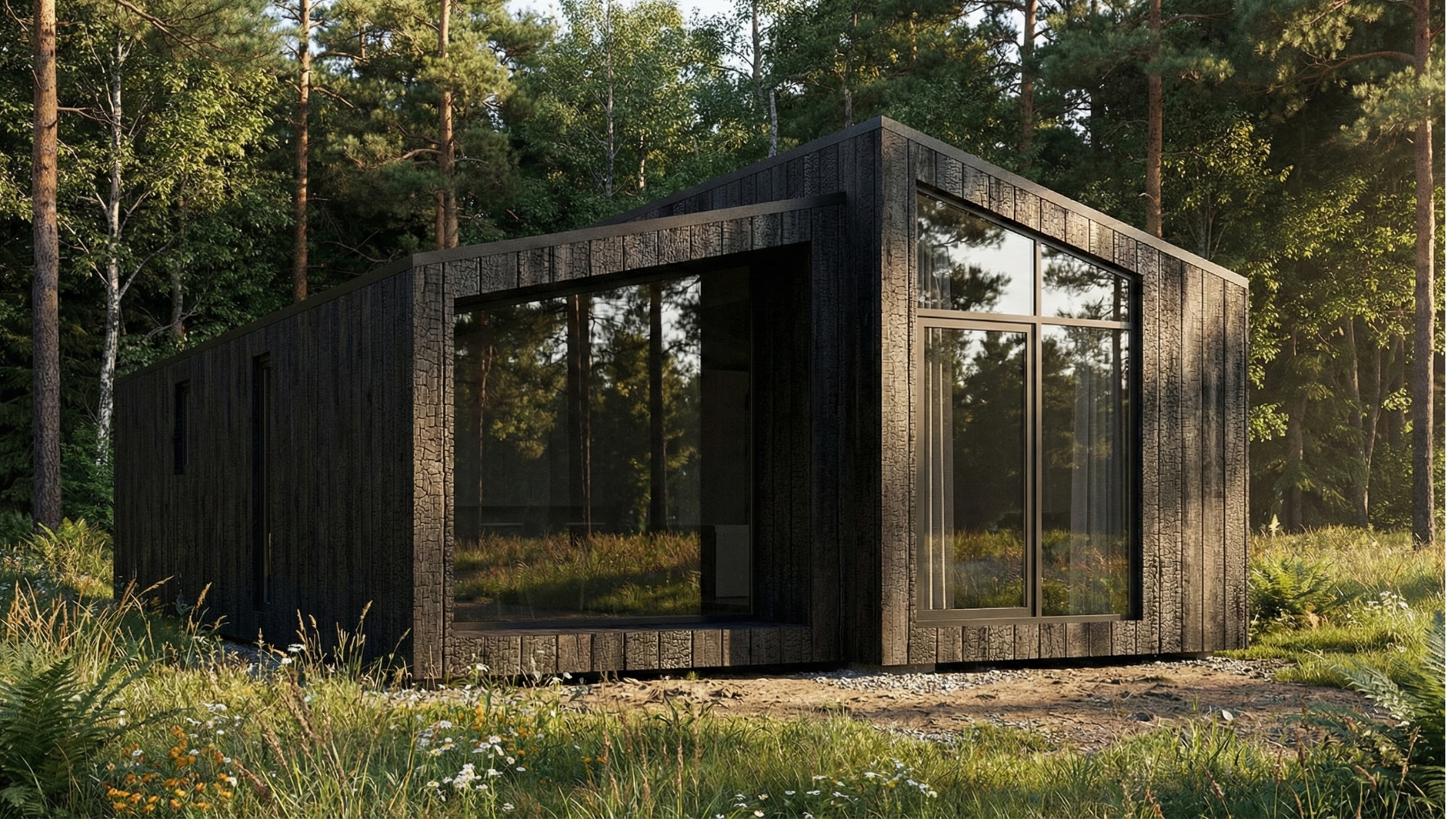
NordStar 2 Bedroom Lodge
The Shift in Luxury: What Guests Want Now
Luxury travel is changing fast — arguably faster than any other hospitality category.
The transformation looks like this:
OLD LUXURY → NEW LUXURY
From “things”
→ to how a space makes you feel
From expensive finishes
→ to acoustic and thermal comfort
From Instagram moments
→ to internal transformation moments
From brand-led aesthetics
→ to nature-led design
From seasonal appeal
→ to year-round wellness stays
Guests don't care if the tap is £200 or £20.
But they care — deeply — if their room maintained a stable temperature all night.
They care if they can hear birdsong instead of boiler noise.
They care if the air feels fresh, clean, and easy to breathe.
They care if they leave the stay feeling replenished, not overstimulated.
That is luxury today.
Quiet. Restorative. Human-first. Wellness-led.
Why Emotional Architecture Drives Higher ROI
1. Better sleep = higher guest satisfaction
Sleep is the number one driver of guest reviews — and the number one predictor of return stays.
A building designed for restorative sleep will outperform a building designed only for aesthetics. Every time.
2. Calm spaces = longer stays
When guests settle into a cabin that instantly reduces their sensory load, they want to extend.
This is why high-thermal-performance buildings outperform seasonal pods.
3. Natural materials = longer lifespan
Luxury isn’t luxury if it degrades in six years.
Cabins with plasticky interiors often fail long before their booking potential does.
FSC timber, high-quality insulation, natural interiors, and low-toxin finishes aren’t “eco”.
They’re commercial common sense.
4. Thermal stability = year-round revenue
This is the silent killer of most UK leisure businesses.
A lodge with poor insulation can lose operators tens of thousands each winter in lost bookings.
A lodge with Passive House-inspired performance can earn an additional £300 per night all winter.
Winter revenue is where the real growth is - when everyone shuts down, you’re the site in your area offering a winter retreat at premium rates.
5. Emotional architecture = loyal guests
When a space genuinely restores people, they form an emotional bond with the environment.
That’s how you create:
Repeat bookings
Referrals
12-month occupancy
A stronger brand than any marketing campaign can create
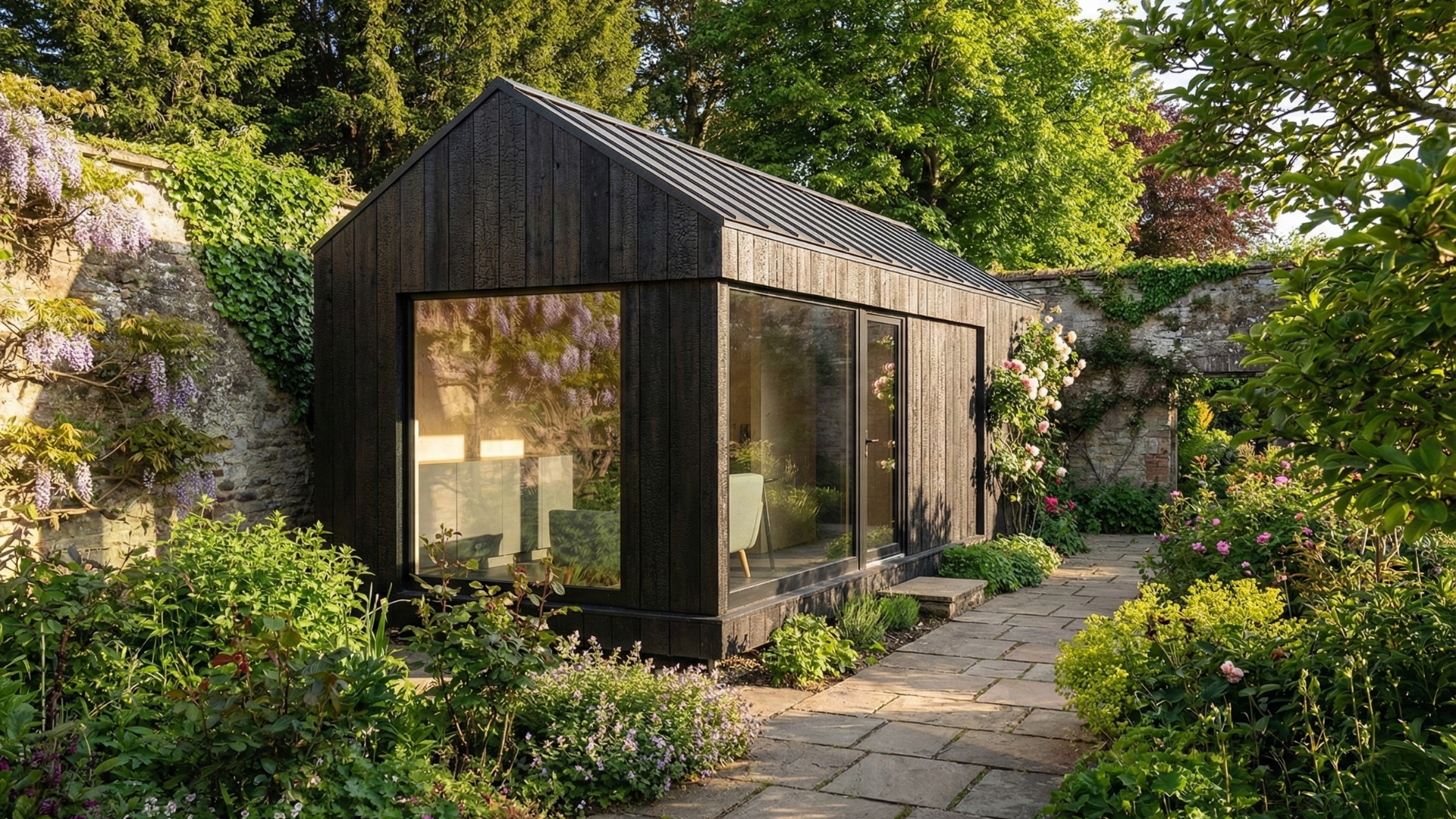
Skylark 1 bedroom
Regenerative Stays Are Replacing Conventional Retreats
Most retreats are “experiences”.
Regenerative stays are “transformations.”
The difference?
Conventional retreat:
You visit. You enjoy. You leave.
Regenerative stay:
You visit.
Your nervous system recalibrates.
Your sleep improves.
Your mind clears.
You feel more human.
It leaves a mark on your soul.
You leave with a core memory and a emotional reason to return. This is what emotional architecture makes possible. This is the future of travel.
Where THC Homes Comes In: The NordSeries Difference
So you know what to look for, where should you start?
Always remember that almost all cabins look incredible in the photos.
Very few can change how a person feels when they step inside.
and yet, the NordSeries does:
support deeper sleep
regulate thermal comfort
soften acoustics
stabilise humidity
lower sensory load
and maintain performance for 50+ years
Because they are designed for human wellbeing first — not aesthetics, and not cost-cutting — exactly as outlined in your brand guidelines.
The NordSeries is built differently because:
Hepa Filters for clean, filtered air supports healthy breathing
High thermal performance ensures stable temperatures
FSC-certified natural materials reduce toxins
Acoustic softness creates quiet luxury
Biophilic design reconnects guests to nature
MVHR systems to prevent humidity spikes
Precision engineering ensures the building lasts
This is emotional architecture made tangible.
It isn’t a theme.
t’s a science.
Your cabins don’t just look calm — they feel calm.
Your architecture doesn’t just create space — it creates emotional clarity.
Your interiors don’t just look natural — they reduce stress and support better sleep.
That’s the future of luxury travel.
And it’s here already.
The Future: Emotional Architecture as Standard
Within the next five years:
Wellbeing will be the strongest driver of luxury travel bookings.
Guests will choose cabins based on reviews only - how was the sleep quality, not photos.
Retreat hosts will compete on quietness, air quality, and thermal stability.
Emotional architecture will become a non-negotiable — not a differentiator.
The top-performing sites will be regenerative, not decorative.
The operators who lead now will dominate the next decade of travel.

NordSky 1 Bed Cabin
Final Thought: Luxury Is How You Make People Feel
The world is overstimulated, overbuilt, and under-cared-for.
Travellers are craving calm, restoration, and spaces designed with intention.
Emotional architecture is the bridge between luxury and wellbeing.
Between building and biology.
Between a good stay — and a stay that changes you.
And the NordSeries is leading that future.