
The Architecture of Rest: Why Wellness is the New Blueprint for Luxury Leisure
In the current UK leisure landscape, the definition of a "successful stay" has shifted from mere location to a measurable impact on a guest's health and state of mind.
Data from the 2025 SPA Analysis Report reveals a profound evolution in consumer behavior, where wellness is no longer a luxury "add-on" but the core motivation for travel.
The 60% Rule: Wellness as the Deciding Factor
Market research indicates that the "wellness tourist" is now the mainstream traveller. A critical finding for any developer or operator is that over 60% of guests will choose a hotel or retreat based on its wellness offering, even if they never actually utilise the specific spa facilities. This suggests that the perception of a health-conscious environment is as vital as the services themselves.
For these guests, the stay is a proactive lifestyle choice. This segment is growing at 15.8% annually—a rate 50% faster than "regular" tourism—highlighting a deep-seated desire for travel that facilitates recovery and healthier living.
Quantitative Benefits of Wellness Integration
The shift toward wellness-led stays is supported by clear performance data. When properties align their environment with these guest expectations, the impact on the P&L is significant:
Occupancy Increase: A modest focus on wellness can drive a 15% increase in occupancy.
Premium Rates: Operators see an average 22% increase in room rates when wellness is part of the core message.
Ancillary Spend: There is a documented 20% increase in food and beverage sales, as wellness-focused guests seek out nourishing, high-quality nutrition during their stay.
The Shift Toward "Wired Wellness" and Mental Health
The 2025 data highlights a specific surge in mental wellness as a key driver. Consumers are increasingly seeking environments that address:
Sleep Quality: There is a growing demand for services and environments specifically relating to sleep hygiene.
Acoustic and Digital Detox: The need to escape "noise"—both literal and digital—is a top priority for the modern traveler.
Blue Wellness: A million regular outdoor swimmers in the UK alone point to a massive trend in "blue wellness," where guests seek a sense of freedom and connection to the natural world through water and fresh air.
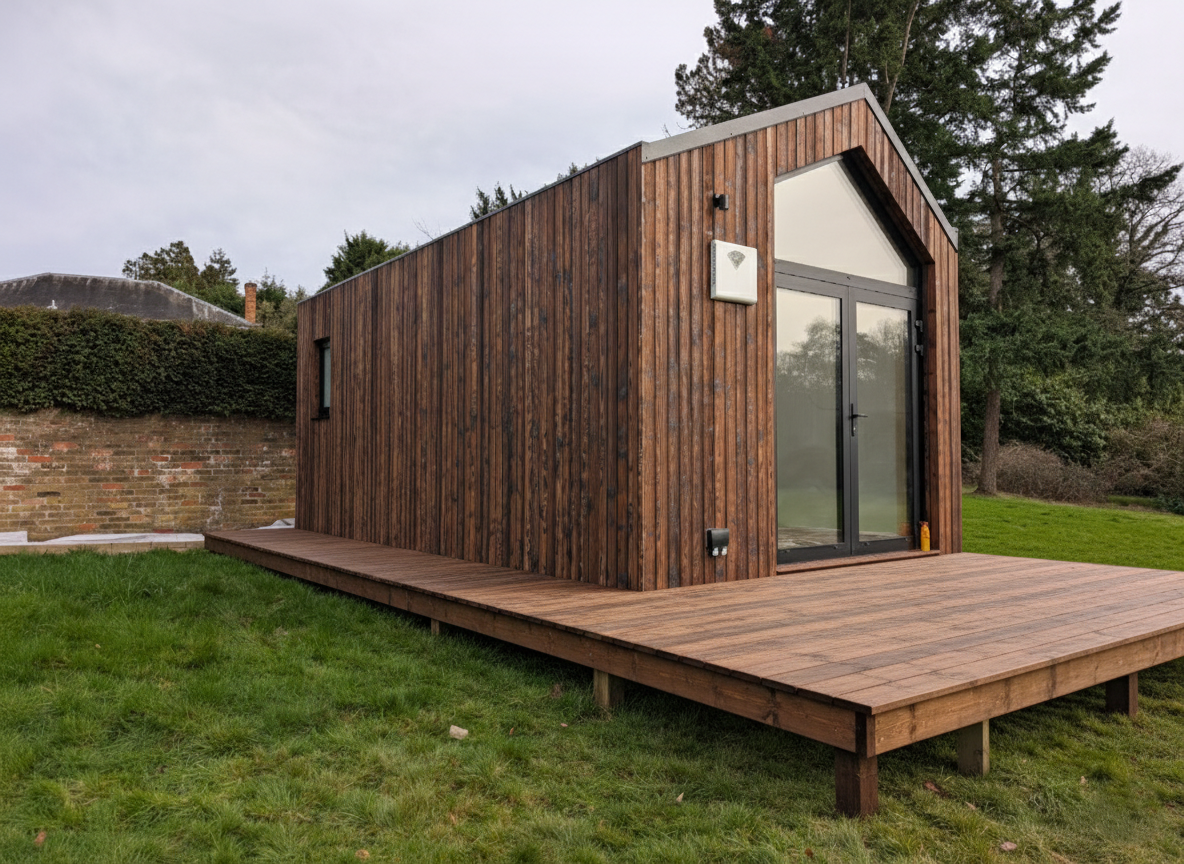
NordNest 1 Bed Cabin
How THC Homes Meets the Market
At THC Homes, we have engineered our NordSeries Cabins to be the physical manifestation of this data. We understand that for a guest to achieve the "deeper rest" they are seeking, the building must perform at a higher level.
Atmospheric Purity: Our integrated MVHR systems ensure the air is replenished with fresh oxygen, removing the pollutants and dust that hinder clarity.
Circadian Alignment: We utilise ambient lighting designed to match natural rhythms, supporting the "sleep therapy" trends identified in the 2025 report.
Acoustic Sanctuary: Our use of wood-blown fiber insulation doesn't just regulate temperature; it creates a silent, womb-like environment that protects guests from the "noise" that remains a top consumer complaint.
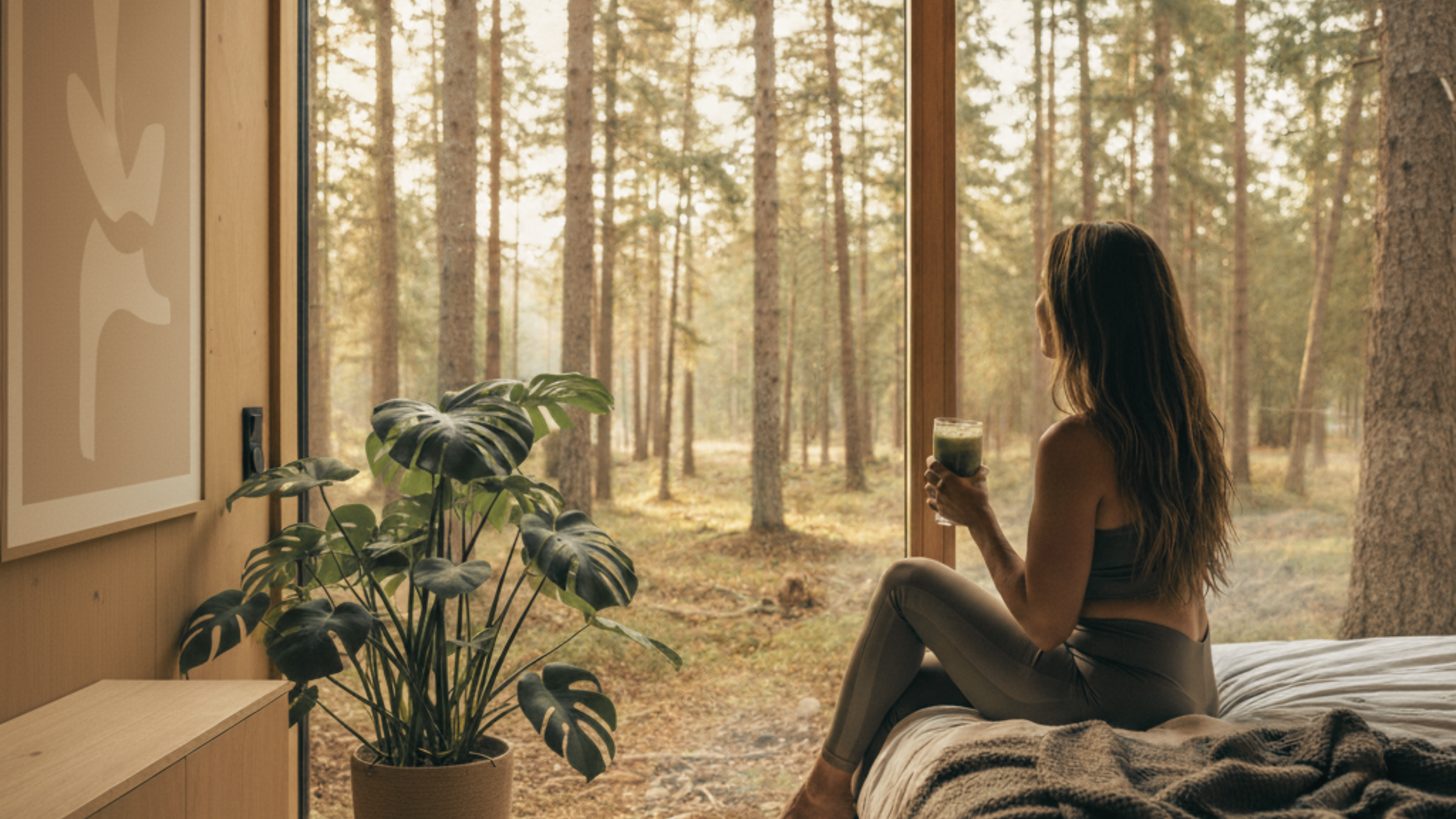
Biophilic Connection: By using natural materials like CLT and large panoramic windows, we provide the "nature-led" experience that 83% of domestic wellness guests are now booking.
We don't just build cabins; we build the infrastructure for the most sought-after commodity in the 2025 leisure market: true, uninterrupted rest.