What Makes a Good Luxury Lodge? 7 Design Decisions That Affect Guest Experience and Revenue
A luxury lodge should do more than photograph well. From wall construction and winter performance to kitchens, glazing and bedroom layouts, these are the design decisions that can affect how a guest sleeps, how a building operates and how much value it creates for the site.
A good luxury lodge is not defined by expensive taps, oversized glazing or a hot tub on the deck.
The things that often have the greatest impact on the guest experience are much less visible: how stable the temperature remains overnight, whether outside noise is softened, whether the bedroom has fresh air, whether the space overheats in summer and whether the layout actually works for two people.
For hospitality operators, these decisions matter commercially too. A lodge that can operate comfortably throughout winter creates more potential bookable nights. A room that is quicker to clean reduces operational effort. A considered layout can improve the guest experience without increasing the building footprint.
At THC Homes, we design accommodation around a simple principle:
Spend money where the guest may not see it, but will feel it.
Here are seven design decisions we believe matter when creating premium guest accommodation.
1. Where should you spend the budget when building luxury lodges?
Spend the budget where guests can't see it, but can feel it.
It is easy to associate luxury with designer lighting, premium taps, expensive switches and decorative finishes.
But those things cannot compensate for a poorly performing building.
We were once asked whether we could substantially reduce the thickness of one of our external wall systems, bringing the construction closer to that of a conventional caravan, and use the saving on more expensive lighting, taps and electrical fittings.
We chose not to.
The construction hidden behind the finished surface has a much greater influence on whether somebody feels comfortable throughout an eight-hour night's sleep.
Insulation, glazing, airtightness, ventilation, acoustics and carefully designed junctions all contribute to how the building performs.
Our own building philosophy therefore starts with the structure and envelope rather than decorative specification. THC Homes How We Build
A guest may spend only a few seconds noticing a designer tap.
They will spend the entire night experiencing the building around it.
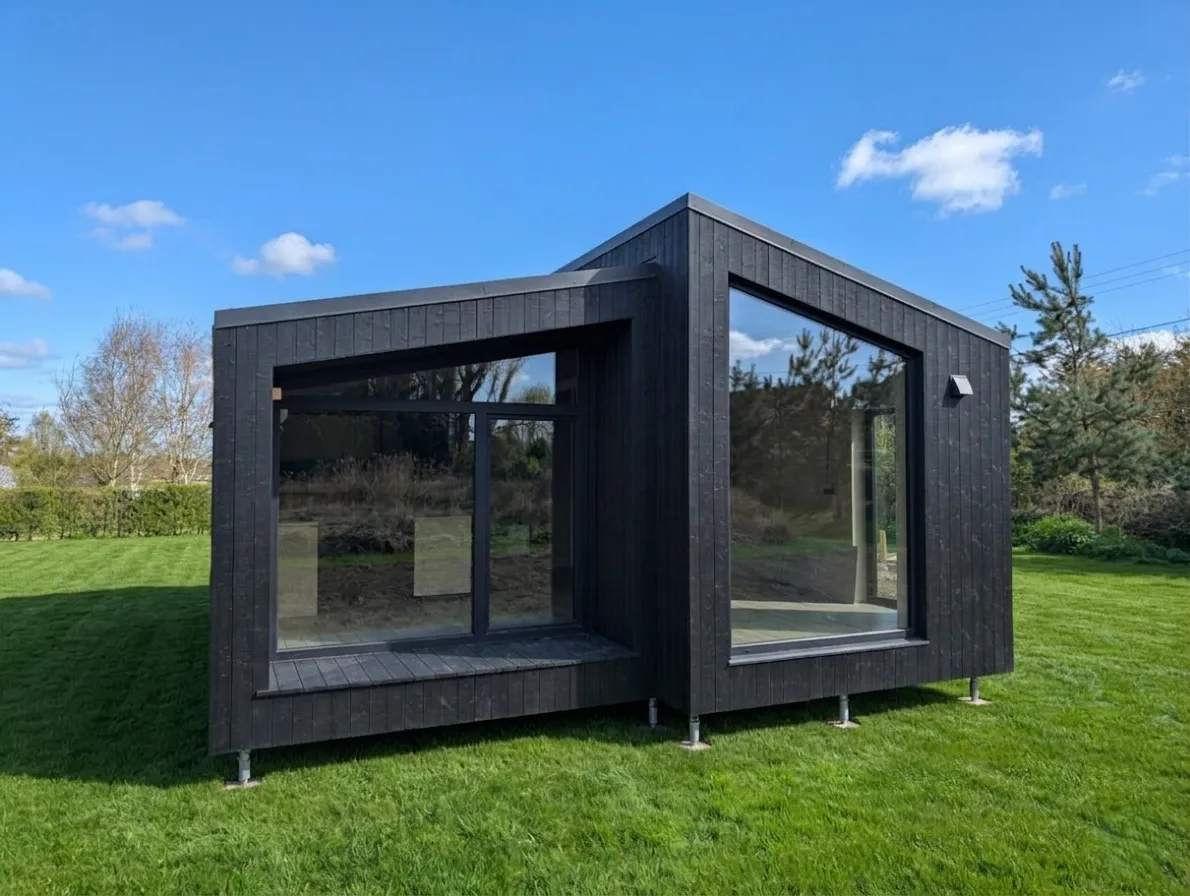
NordStar Deeper Rest Lodge
2. Can luxury lodges be used all year round?
Don't design guest accommodation for summer only.
For many hospitality businesses, one of the biggest opportunities is extending the useful operating season of their accommodation.
A beautiful cabin may be easy to sell on a warm June weekend. The bigger question is:
Will somebody pay a premium in January or do you have to close for months at a time because the space can’t handle the cold?
The building envelope has a major role to play.
Insulation, airtightness, high-performance glazing and carefully controlled ventilation can help create a more stable indoor environment when conditions outside change.
That matters because thermal comfort is not simply a technical specification. It influences whether guests can relax and sleep comfortably throughout the night.
THC's deeper-rest principles specifically focus on reducing unwanted temperature swings and creating stable, year-round comfort. WHY & HOW WE CREATE DEEPER REST
For an operator, there is also a commercial implication.
If your accommodation is genuinely comfortable during winter, you have the opportunity to sell winter escapes, Christmas stays, Valentine's breaks and quieter off-season weekends rather than relying almost entirely on summer demand.
Better building performance can therefore support both guest comfort and the number of potentially bookable nights.
3. Does a holiday lodge need a full kitchen?
Not necessarily.
One of the most common mistakes in short-stay accommodation is treating the kitchen like a smaller version of a residential kitchen.
But the right kitchen depends on the guest and the hospitality model.
Imagine somebody staying for two or three nights at a vineyard, boutique hotel or wedding venue.
Do they really need a four-ring hob, full-size oven and extensive cupboards?
Or are they more likely to want:
a fridge for wine, milk and breakfast items
good coffee-making facilities
glassware
a sink
a knife and chopping or charcuterie board
somewhere simple to prepare a light breakfast or snack
A smaller kitchen can create more usable living space, reduce cleaning requirements and potentially encourage guests to use the restaurant, café or other hospitality facilities already available on the site.
Conversely, a self-catering nature retreat where guests remain on-site for several days may genuinely need cooking facilities.
The answer therefore isn't "every lodge needs a kitchen."
It is: What does this particular guest actually need during this particular stay?
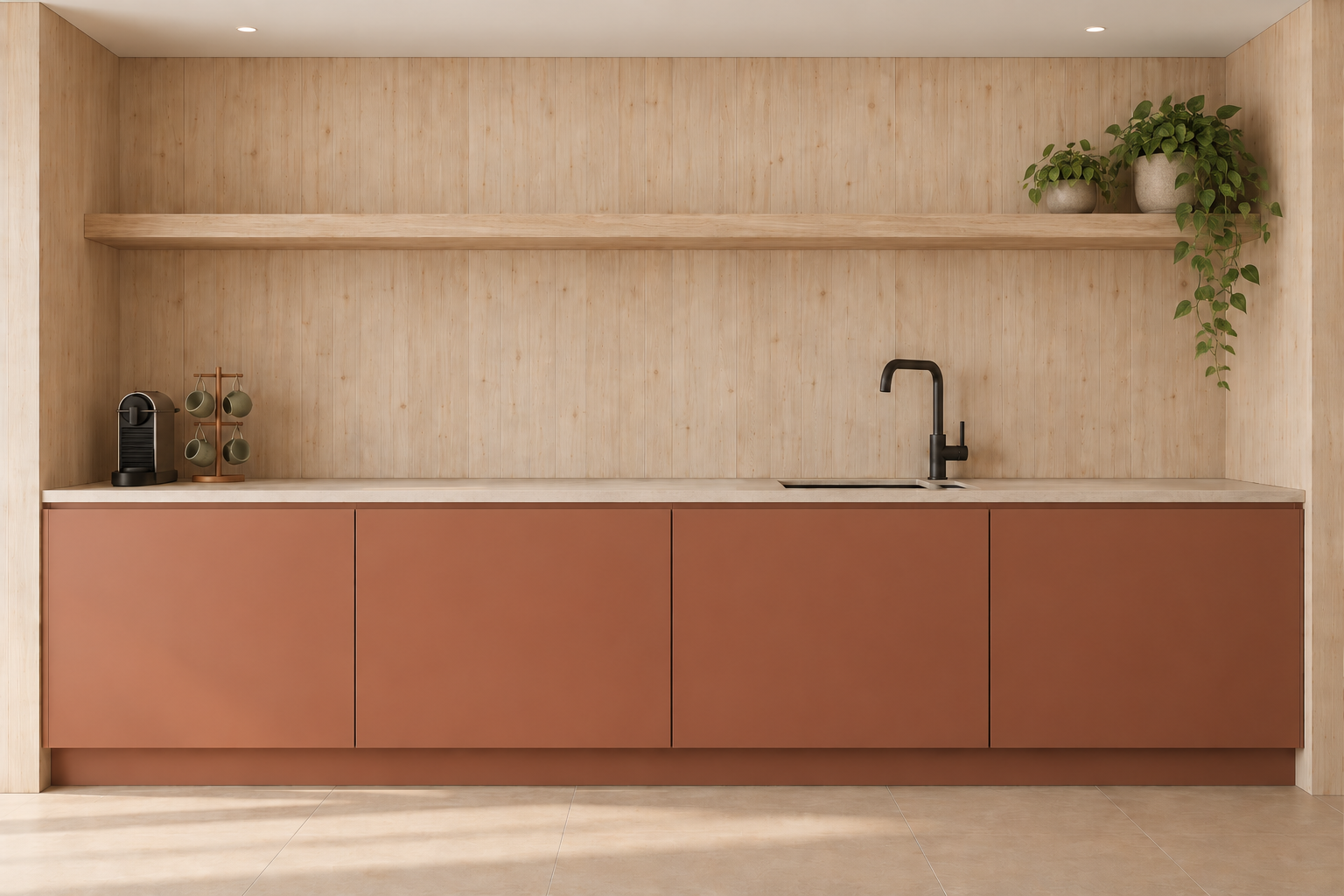
THC's hospitality design guidance treats kitchens in exactly this way: the specification should support realistic guest behaviour and the wider commercial offer rather than automatically replicating a domestic kitchen. How we design
4. Can a lodge have too much glazing?
Yes. More glass is not always better.
Large areas of glazing can create a dramatic connection to the surrounding landscape.
We use significant glazing in many of our own designs.
But glass needs to be positioned deliberately.
Poorly considered glazing can create several problems:
excessive solar gain and summer overheating
reduced privacy
difficult blackout in bedrooms
limited usable wall space for furniture
unwanted views towards neighbouring accommodation
additional heat loss
increased cost
The objective shouldn't simply be to create the largest glass façade possible.
It should be to frame the right views from the right places.
What does the guest see from the bed?
What is visible while sitting on the sofa?
Can somebody use the bathroom without feeling exposed?
Will the afternoon sun cause the bedroom to overheat?
Can the curtains or blinds actually operate properly?
THC's design standard deliberately considers glazing from both inside and outside, balancing views, daylight, privacy, furniture positioning and overheating risk. How we design
Good glazing connects the guest to the landscape. Great glazing does that without creating another problem.
5. Should a double bed be positioned against a wall in a holiday lodge?
Avoid it where the floorplan reasonably allows.
Pushing a double bed against a wall can make a small floorplan work beautifully on paper.
But somebody eventually has to sleep there.
If one guest has to climb over their partner to get out of bed during the night, the space saved on the drawing has been transferred directly into the guest experience.
It can also mean:
no bedside surface for one person
no independent reading light
restricted access for housekeeping
awkward bed-making
poorer circulation around the room
Compact accommodation inevitably requires compromises.
The important thing is choosing where those compromises occur.
THC's interior design principles treat bed position as part of the overall rest environment rather than something simply placed wherever it fits. How we design
Our rule is simple:
Don't solve a floorplan problem by creating a guest problem.
6. How should holiday lodges be designed for cleaners and housekeeping?
Design for the cleaner as well as the guest.
A lodge may be designed once.
It may then be cleaned hundreds of times.
That makes housekeeping efficiency a genuine design consideration.
Small decisions can repeatedly affect changeover time:
Can the cleaner easily reach both sides of the bed?
Can they immediately see whether a wardrobe has been emptied?
Are there unnecessary ledges collecting dust?
Do bathroom fittings show fingerprints and watermarks immediately?
Can damaged elements be replaced without dismantling large sections of joinery?
Are plant and service areas accessible for maintenance?
A detail that adds only ten minutes to each room changeover may initially seem insignificant.
Multiply it across several cabins, hundreds of stays and several years of operation, and it becomes a genuine operating cost.
Our own design guidance therefore considers not only the guest but the operator, housekeeping team and maintenance requirements. How we design
Good hospitality design should make a space easier to stay in and easier to operate.
7. What actually makes a lodge a wellness lodge?
A hot tub alone doesn't make accommodation wellness-led.
For many years, wellness accommodation became almost synonymous with a hot tub sitting outside a cabin.
There is nothing wrong with a hot tub.
But wellness should begin much earlier.
A guest trying to recover from a stressful week will gain very little from an outdoor spa experience if they then spend the night in a bedroom that is too hot, noisy or poorly ventilated.
We believe a genuinely restorative environment starts with fundamentals such as:
quieter internal conditions
continuous fresh air
stable overnight temperatures
effective blackout
considered evening lighting
natural materials
reduced visual stimulation
connection with the surrounding landscape
No individual feature creates deeper rest.
It comes from the whole environment working together.
That is the basis of THC Homes' deeper-rest design philosophy: air, temperature, acoustics, light, materials and spatial design are considered as one experience. WHY & HOW WE CREATE DEEPER REST
The spa can come afterwards.
So, what makes a good luxury lodge?
The best guest accommodation balances several things at once.
It has to look beautiful.
But it also needs to be comfortable, practical, maintainable, commercially sensible and appropriate for the people actually staying there.
For us, that means thinking beyond what somebody sees when they first open the door.
It means thinking about how they sleep at 3am.
How warm they are in January.
Whether the bedroom overheats in July.
Whether they can get out of bed without waking their partner.
Whether the cleaner can reset the room efficiently.
And whether the building still performs after years of repeated use.
THC's wider design process deliberately tests a design against the guest, experience, space, landscape, privacy, rest, materials, housekeeping, operations and buildability before considering it resolved. How we design
A great lodge shouldn't simply photograph well.
It should feel better, operate better and perform better.
Frequently Asked Questions
What should I look for when buying luxury lodges for a hospitality business?
Look beyond the visible finishes. Consider insulation, glazing, ventilation, acoustic performance, year-round thermal comfort, layout, maintenance requirements, cleaning efficiency, durability and how the accommodation fits your wider hospitality model.
Are luxury lodges suitable for year-round use?
They can be, but the construction specification matters. A well-insulated and airtight building with appropriate glazing, ventilation and heating can provide significantly better year-round comfort than accommodation designed primarily for seasonal use.
Does a holiday lodge need a full kitchen?
Not always. A short-stay lodge associated with a hotel, vineyard or wedding venue may only need refrigeration, drinks facilities and basic food preparation space. Longer self-catering stays may justify more extensive cooking facilities.
Is triple glazing worth having in a luxury lodge?
Higher-performance glazing can contribute to thermal comfort and can also help reduce external noise. However, the overall building envelope matters more than any single component.
Can highly glazed cabins overheat?
Yes. Large areas of glazing can increase solar gains, particularly when orientation, shading and ventilation haven't been considered correctly. Glazing should therefore be designed alongside the thermal performance of the whole building.
Should a double bed have access from both sides?
Where sufficient space allows, access from both sides generally provides a better guest experience and makes bed-making easier for housekeeping staff.
How do you make holiday accommodation easier to clean?
Consider accessible furniture, visible storage, robust finishes, fewer dust-catching details, easily replaceable components and surfaces designed for frequent hospitality cleaning.
What makes accommodation suitable for a wellness retreat?
Wellness accommodation should consider more than spa facilities. Air quality, acoustics, temperature, lighting, sleep quality, natural materials, privacy and connection to nature can all contribute to how restorative the stay feels.
What makes a lodge feel luxurious?
Luxury is not solely about expensive finishes. Space, quiet, thermal comfort, natural materials, good lighting, intuitive layouts, privacy and attention to small functional details can have a significant influence on perceived quality.