Why High-Quality Cabins Cost More Upfront — But Less Over Time
For landowners, developers and leisure operators, the cheapest cabin is rarely the most cost-effective one. A better building protects your investment, your guest experience and the long-term value of your site.
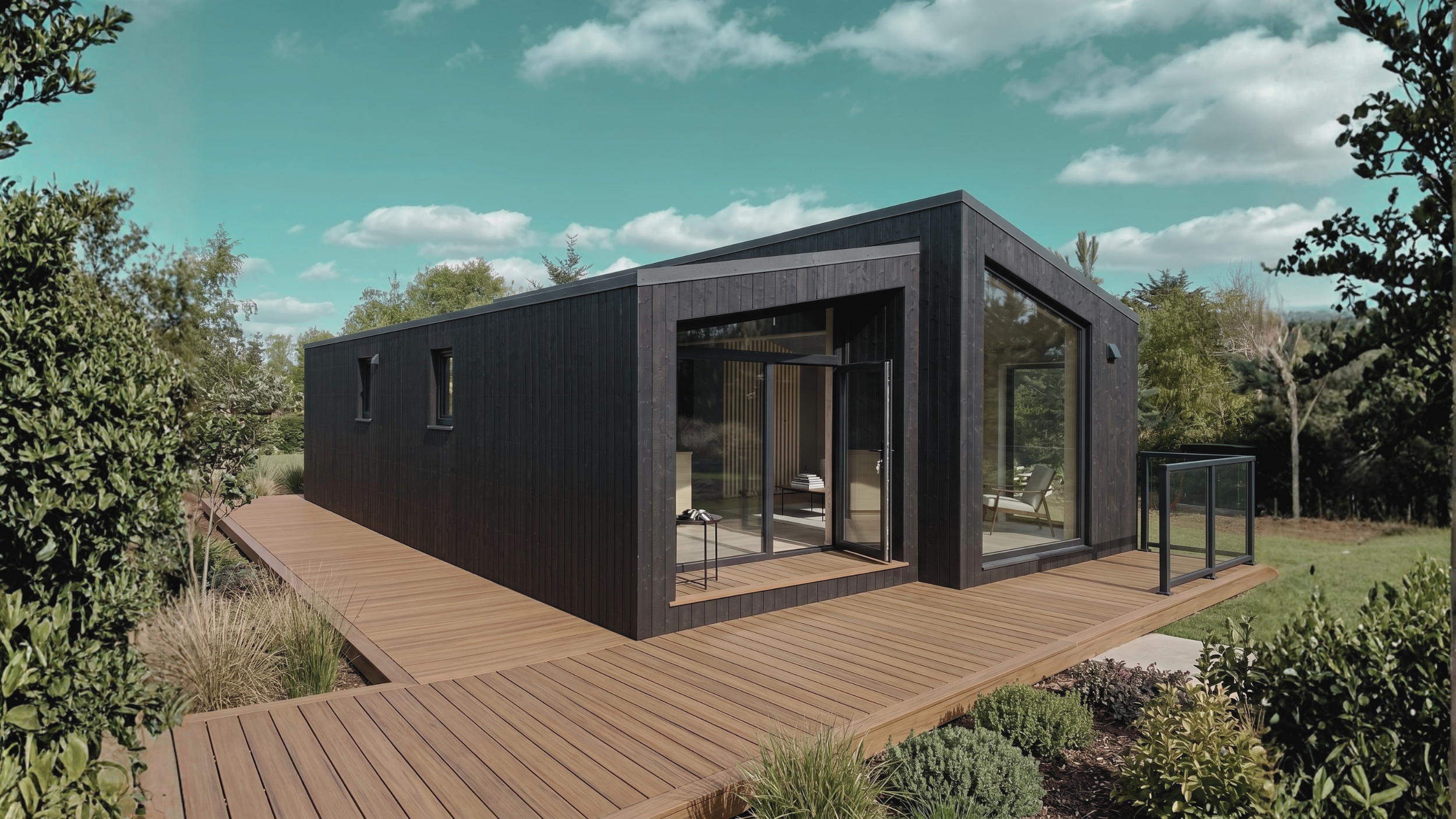
NordStar 2 Bedroom
When people first begin exploring cabins, lodges or modular buildings for a leisure site, one of the earliest questions is usually simple: how much does it cost?
It is a sensible question. Whether you are developing a small glamping site, expanding an existing holiday park, adding accommodation to a wedding venue or creating a more private retreat on your land, the initial capital outlay matters. The numbers need to work. The return needs to be credible. The building needs to justify its place on the land.
But there is a second question that is often far more important:
What will this building cost you over the next ten, twenty or thirty years?
That is where the conversation changes.
Because the true cost of a cabin is not only found in the purchase price. It is found in how much energy it uses. How often it needs repairing. How well it performs in winter. How it feels in damp weather. How quickly the interiors date. How long the structure lasts. How often guests complain about being too cold, too hot, or unable to sleep. How much downtime you lose to maintenance. How soon you need to refurbish or replace it.
A lower-cost building can look attractive on day one. It can photograph well. It can tick the visual boxes. It may even appear, at first glance, to offer a faster return on investment.
But buildings reveal their quality slowly.
They reveal it during the first cold winter.
They reveal it during a wet February half-term.
They reveal it when energy bills arrive.
They reveal it when guests leave reviews.
They reveal it when doors begin to swell, finishes begin to tire, heating struggles to keep up, or the building starts to feel older than it really is.
A high-quality cabin costs more upfront because more has been considered before it ever reaches site. The structure, insulation, glazing, membranes, ventilation, materials, finishes and construction detailing all work together. It is not simply a nicer-looking version of a cheaper product. It is a fundamentally different kind of building.
And for serious landowners, developers and hospitality operators, that difference matters.
Price and value are not the same thing
In property, farming, development and hospitality, most experienced people understand the difference between price and value.
The cheapest field gate is not always the best gate. The cheapest roof covering is not always the best roof. The cheapest contractor is not always the person you want responsible for something that must work properly for years.
The same principle applies to cabins and lodges.
A low-cost cabin may reduce the initial spend, but if it has poorer insulation, thinner walls, weaker detailing, lower-quality materials, limited ventilation and a shorter lifespan, the saving can quickly become an illusion. You may pay less at the beginning, but more over time.
A high-quality cabin should be viewed as a long-term asset. It should work hard for the site. It should improve the perceived value of the destination. It should be comfortable enough to use year-round, durable enough to withstand repeated guest stays, and attractive enough to support strong photography, marketing and guest demand.
For leisure operators, the building is not just accommodation. It is the product.
A guest may book because of the view, the location or the surrounding experience, but the building is where they sleep, rest, cook, shower, read, reconnect and form their lasting impression of the stay. If the space feels cold, noisy, flimsy or poorly finished, it affects the entire experience.
That is why high-quality cabins are not simply more expensive. They are more carefully resolved.
The hidden cost of poor thermal performance
One of the clearest differences between a lower-cost cabin and a high-quality building is thermal performance.
Many cabins are sold as suitable for year-round use, but that phrase can mean very different things depending on how the building is made. A cabin may include heating and still be inefficient. It may meet a basic standard and still feel uncomfortable in colder months. It may be described as insulated, but still lose heat quickly through weak points in the walls, roof, floor, windows, doors or junctions.
Thermal comfort is not created by one product. It is created by the whole building envelope.
The wall build-up matters.
The insulation depth matters.
The quality of installation matters.
The glazing matters.
The airtightness matters.
The roof and floor matter.
The ventilation strategy matters.
If these elements are not properly considered together, the building may require more energy to heat, cool and ventilate. This can lead to higher running costs, inconsistent comfort and greater reliance on mechanical systems to compensate for poor fabric performance.
For a private owner, that means higher bills and a less comfortable space.
For a leisure operator, it can mean something more serious: a restricted season.
If a lodge is truly comfortable in January, February and March, it has the potential to generate income beyond the traditional peak months. If it struggles in colder weather, guests will feel it. Operators may still take bookings, but the guest experience will be weaker. Reviews may suffer. Repeat bookings may reduce. Discounting may become necessary to fill less desirable periods.
A high-quality cabin is designed to hold comfort more steadily. It should feel calm, warm and stable without constantly fighting the weather outside. That level of performance costs more to build, but it supports stronger use of the asset throughout the year.
Longevity is one of the most overlooked measures of quality
When comparing cabin prices, lifespan is often overlooked.
This is a mistake.
A building that lasts seven to ten years before looking tired, requiring heavy refurbishment or losing commercial appeal is very different from a building designed with a much longer service life in mind.
The purchase price only makes sense when measured against the useful life of the asset.
For example, a cheaper cabin may appear to offer better value because it costs less upfront. But if it requires significant repair, refurbishment or replacement much sooner, the annualised cost may be far higher than expected.
A more expensive building, designed with better materials and construction detailing, may deliver better value because it remains useful, attractive and operational for longer.
This matters particularly for landowners who are thinking beyond a short-term return.
If you are building a serious destination, the accommodation becomes part of the site’s identity. It shapes the calibre of guests you attract, the pricing you can command, the quality of your photography, the confidence of investors or lenders, and the long-term reputation of the business.
A flimsy building can become a liability.
A high-quality building can become part of the land’s value.
That is the difference.
Materials affect more than appearance
It is easy to think of materials as a design choice. Timber, cladding, flooring, wall finishes, worktops, windows and internal details all influence how a building looks. But material selection is about far more than aesthetics.
Materials affect durability.
They affect maintenance.
They affect indoor air quality.
They affect how the building ages.
They affect how it feels to spend time inside.
A high-quality cabin should use materials that are appropriate for long-term use, not simply chosen because they are quick, cheap or fashionable. In a leisure setting, this becomes especially important because the building is used repeatedly by different guests. It needs to withstand luggage, wet coats, muddy boots, cleaning cycles, temperature changes, moisture, and general wear.
There is also a growing awareness around the health and environmental impact of building materials. Many clients no longer want spaces that are heavily synthetic, high in toxins or built with little regard for the people who will occupy them. They want buildings that feel natural, calm and considered.
This does not mean every surface must be expensive. It means the specification should be intelligent.
Natural materials, low-toxin finishes, properly detailed timber structures, high-quality glazing and robust internal surfaces all contribute to a building that feels better and lasts longer.
In a premium cabin, the quality is not only in what the guest sees. It is in what they breathe, touch and sense.
Maintenance is where cheaper buildings often become expensive
Maintenance is one of the most practical reasons to invest in a higher-quality cabin.
For leisure operators, maintenance is not just a cost. It is disruption.
Every repair requires time, coordination and often a gap between bookings. A small problem can become more expensive when it affects guest availability. A leaking detail, failed finish, swollen door, poor seal, damaged floor or tired bathroom may not seem catastrophic in isolation, but across several units and several seasons, these issues become operational drag.
The true cost includes labour, replacement materials, lost nights, guest dissatisfaction, staff attention and management time.
This is particularly relevant for owners who are not living on site or do not want to spend their retirement managing constant repairs. Many landowners exploring cabins are doing so because they want to create a sustainable income stream from land they already own. They may be practical and capable, but that does not mean they want a business model built around fixing problems.
A better building should reduce the frequency and severity of those problems.
That does not mean no maintenance. All buildings need care. Timber needs appropriate treatment. Mechanical systems need servicing. External areas need inspecting. But there is a significant difference between planned maintenance and reactive repair.
High-quality cabins should be designed so the owner is maintaining an asset, not rescuing a product.
Guest expectations have changed
The UK staycation market has matured considerably. Guests are no longer surprised by the idea of staying in a cabin, lodge or glamping unit. In many parts of the country, they have plenty of choice.
This means the standard has risen.
Guests now compare cabins not only with other cabins, but with boutique hotels, private holiday cottages, spa accommodation and high-end rural retreats. They expect comfort, warmth, good showers, attractive interiors, reliable heating, quiet bedrooms, strong design and a sense that the space has been thoughtfully created.
For a landowner or operator, this creates both pressure and opportunity.
The pressure is that average accommodation is easier to ignore. The opportunity is that truly good accommodation can stand apart.
A high-quality cabin gives you more to market. It allows you to speak confidently about year-round comfort, energy efficiency, natural materials, better sleep, lower impact and long-term performance. It gives guests a reason to choose your site over a cheaper alternative.
And importantly, it supports pricing.
Premium pricing is not achieved by calling something premium. It is achieved when the guest can see and feel the difference.
Good photography may win the first click.
Good design may win the booking.
Good comfort wins the review.
Consistent quality wins the reputation.
Why whole-life cost matters for leisure developments
For anyone developing land for leisure accommodation, whole-life cost should be part of the decision-making process.
Whole-life cost considers the full financial picture of the building over time, not just the initial purchase price. It includes the cost to buy, install, operate, maintain, repair, refurbish and eventually replace the building.
When viewed this way, the cheapest option is not always the most financially sensible.
A high-quality cabin may cost more at the beginning, but it may also offer:
Better year-round usability
Lower energy consumption
Reduced maintenance
Longer service life
Stronger guest appeal
Higher perceived value
Fewer operational interruptions
Better long-term brand positioning
Greater confidence for future resale or refinancing
These factors are difficult to capture in a simple quote comparison, but they are central to the success of a site.
If two cabins are placed side by side on paper, the lower price may seem attractive. But if one building performs better, lasts longer, requires less intervention and supports a higher nightly rate, the numbers begin to look very different.
For serious operators, the question should not be, “Which cabin is cheapest?”
The better question is, “Which building gives this site the strongest long-term future?”
Cheap buildings can limit the ceiling of your site
One of the more subtle risks of choosing a cheaper cabin is that it can cap the potential of the entire development.
The accommodation you choose sets the tone for the site. It influences the type of guest you attract, the photography you can produce, the partnerships you can pursue and the level of pricing you can reasonably command.
If the buildings feel basic, the site may be pushed towards a more price-sensitive market. That may work for some operators, but it can become difficult if the ambition is to create a premium rural escape, wedding accommodation, retreat destination, eco-development or boutique hospitality offering.
Higher-quality buildings can help elevate the whole proposition.
They make the site feel more intentional. They support a stronger brand. They create a better arrival experience. They give guests a sense that they are staying somewhere considered, not simply somewhere convenient.
For landowners with beautiful settings, this is particularly important. The building should respect the value of the land. It should not cheapen the view, the woodland, the lake, the field edge, the garden or the heritage of the estate.
The right building should feel like it belongs there.
What makes a cabin high quality?
A high-quality cabin is not defined by one feature. It is the result of many decisions working together.
It should have a well-considered structure, high levels of insulation, good airtightness, strong thermal performance and a reliable ventilation strategy. It should use durable materials, appropriate external finishes, high-quality windows and doors, and internal surfaces that can withstand regular use.
It should feel solid underfoot.
It should be quiet when the door closes.
It should remain comfortable in changing seasons.
It should age gracefully.
It should be easy to look after.
It should make sense both emotionally and commercially.
A high-quality cabin is also designed with its setting in mind. It should connect to the landscape without feeling temporary or out of place. It should enhance the experience of being on the land, rather than simply occupy it.
For THC Homes, quality is not about unnecessary excess. It is about building properly. It is about designing spaces that perform well, feel calm and stand the test of time.
Are expensive cabins worth it?
An expensive cabin is not automatically a good cabin. Price alone does not guarantee quality.
However, a genuinely high-quality cabin will usually cost more than a basic alternative because it requires better materials, better design, more careful detailing, stronger performance and more time spent resolving the parts of the building that are not immediately visible.
The question is not whether a cabin is expensive.
The question is whether the additional cost is doing useful work.
Is it improving the structure?
Is it reducing heat loss?
Is it extending lifespan?
Is it improving comfort?
Is it reducing maintenance?
Is it supporting better guest reviews?
Is it making the building easier to use year-round?
Is it helping protect the long-term value of the site?
If the answer is yes, then the upfront cost may be better understood as investment rather than expense.
For leisure operators, that distinction is crucial.
A building that costs less but performs poorly can quietly erode profit. A building that costs more but strengthens the guest experience, reduces operational problems and lasts longer can support the business for many years.
Good buildings give confidence
There is something reassuring about a building that has been properly thought through.
You feel it when you step inside. The temperature feels stable. The floor feels solid. The air feels fresh. The acoustics feel softer. The materials feel more natural. The proportions feel calmer. Nothing feels temporary or forced.
That feeling matters.
For guests, it creates trust.
For owners, it creates confidence.
For operators, it creates consistency.
A high-quality cabin should not need to shout. It should simply work beautifully, season after season.
In the early stages of a project, it is understandable to focus on cost. Every development has a budget. Every landowner has to make careful decisions. But the best decisions are rarely made by looking at the purchase price alone.
A cabin is not a disposable product. It is a building. It is an asset. It is part of the landscape, part of the guest experience and part of the long-term business model.
When built well, it can generate income, enhance land value, reduce environmental impact and create a place people genuinely want to return to.
That is why high-quality cabins cost more upfront.
And why, over their lifetime, they can cost far less than you think.
Frequently Asked Questions
What makes a cabin high quality?
A high-quality cabin is defined by its structure, insulation, airtightness, ventilation, materials, durability and long-term comfort. It should be designed as a proper building, not just a temporary-looking accommodation unit. The best cabins feel solid, perform well in all seasons and require sensible planned maintenance rather than constant reactive repairs.
Why do some cabins cost more than others?
Cabins cost more when they include better construction methods, deeper insulation, higher-quality glazing, more durable materials, improved ventilation, stronger detailing and longer-lasting finishes. Two cabins can look similar in photographs but perform very differently once they are lived in, heated, cleaned, maintained and used across multiple seasons.
Are high-quality cabins worth the investment?
High-quality cabins can be worth the investment when they reduce running costs, improve guest comfort, last longer, need less maintenance and support stronger pricing. For leisure sites, the building is part of the guest experience, so better quality can influence reviews, repeat bookings and the long-term reputation of the destination.
What is whole-life cost?
Whole-life cost is the total cost of owning and operating a building over time. It includes the purchase price, delivery, installation, energy use, servicing, repairs, maintenance, refurbishment and eventual replacement. A cheaper cabin may have a lower upfront price but a higher whole-life cost if it performs poorly or needs replacing sooner.
How long should a high-quality cabin last?
The lifespan of a cabin depends on its design, materials, construction quality, exposure, maintenance and use. A well-built cabin using durable materials and proper building principles should be designed with long-term use in mind, rather than treated as a short-life product. Regular maintenance will always be important, but the underlying structure and specification should support longevity from the beginning.